The Third Place
There are three things homeless persons find themselves missing: home, work, and community. One center in the Quad Cities offers the opportunity for all three, especially the latter.
The Third Place not only gives its clientele the chance to find places to live and work, but also a chance to connect with others.
Christie Adamson helped establish this center in Rock Island, IL. She told the Rotary Club of HOPE at its October 15th meeting that people living on the street lose their connections to home and family; they offer a meeting center, which gives them a chance to talk to others and stay connected to the outside world.
She originally estimated they would have 30 to 40 visitors a week; in just a year, that has grown to as many as 150 people a day.
They provide opportunities such as employment services, meals, and health services; and more basic needs such as restrooms, charging stations, and a place to get out of the weather.
The Third Place QC is located at 2000 Third Avenue in Rock Island, IL 61201. For more information, call (309) 553-3461

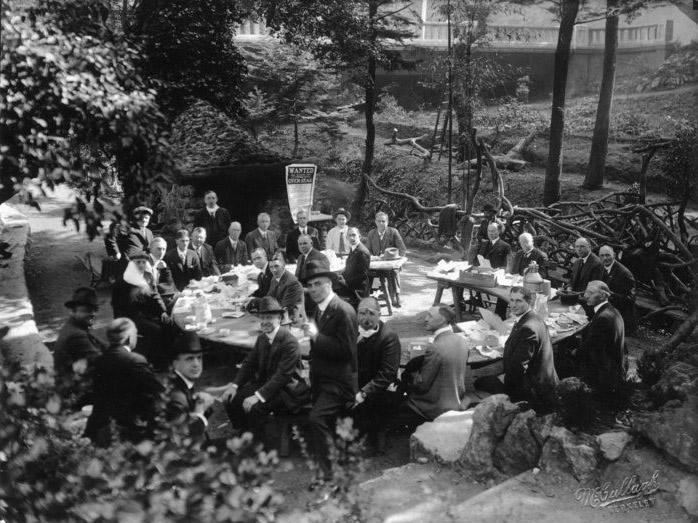 An estimated 500 million people worldwide became infected. Many cities closed theaters and cinemas, and placed restrictions on public gatherings. Rotary clubs adjusted their activities while also helping the sick.
 Rotary and the United Nations have a shared history of working toward peace and addressing humanitarian issues around the world.
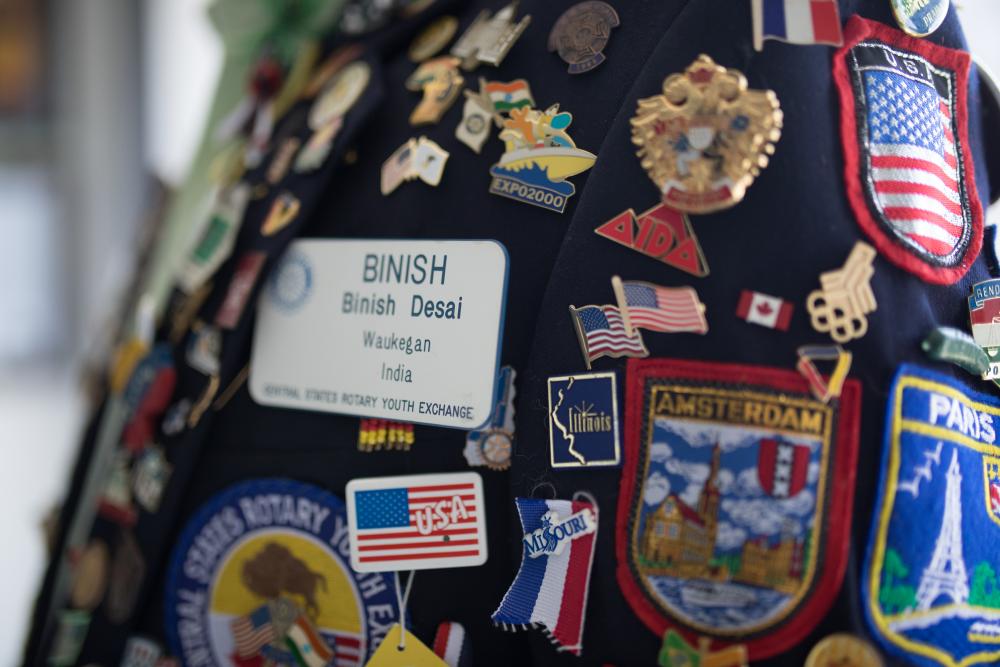 Every hero has an origin story. “I was 10 years old when the entire journey started,” explains Binish Desai. It began with a cartoon called Captain Planet, an animated TV series from the 1990s about an environmentalist with superpowers. Desai can still recite the show’s refrain: Captain Planet, he’s our hero / Gonna take pollution down to zero! “That tagline stuck in my mind,” he says. “I wanted to do something to help Captain Planet.”
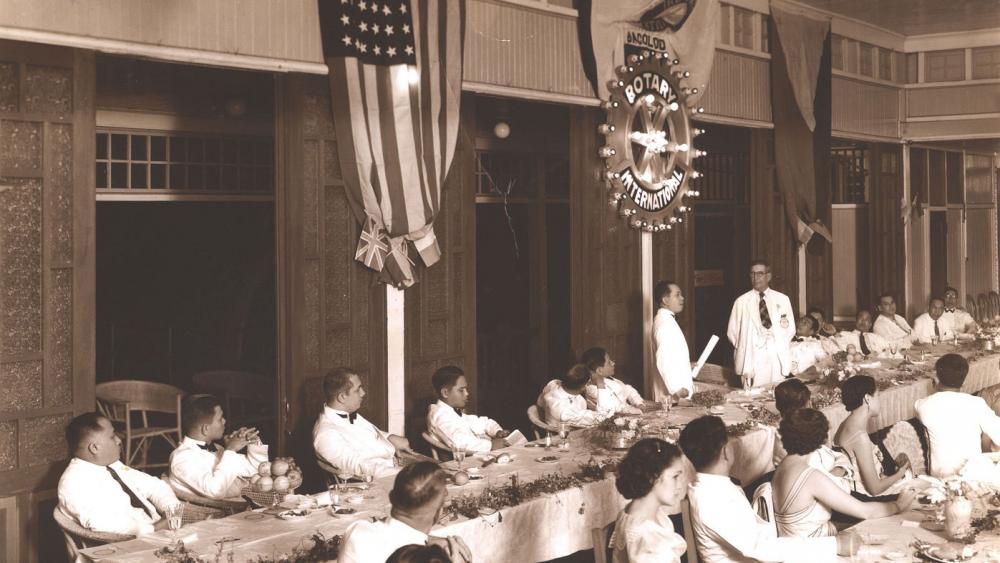 In early 1919, Rotarian Roger Pinneo of Seattle, Washington, USA, traveled to the Philippines to try to organize a Rotary club in Manila. Leon J. Lambert, a Manila business leader helped Pinneo establish the club. Several months later, on 1 June 1919, the Rotary Club of Manila was chartered and became the first Rotary club in Asia.